Stop running your business.
Start designing it.
Right now everything runs through you. Build a business with a real purpose at its centre, and it starts to run itself.
A short guide. One exercise. No spam.
Grounded in a PhD on how organisations really work · 19 Australian founders · Peer-reviewed research
The Operator
Fights fires. Holds it all. Is the bottleneck.
The Architect
Designs the system. Builds the team. Shapes the business.
Right now you run the business. Every problem, every decision, it all comes back to you. An architect builds it differently, so the business can run on its own, and you get to work on it instead of holding it together.
It’s less work for you, not more.
If any of these are true, you’re not failing. You’re just stuck operating.
It’s not that your people don’t care. It’s that nothing was designed for them to own.
It starts with one thing. The other three are built on it.
Everything begins with purpose. Get that right, and people, structure and learning follow.
Purpose
A positive purpose, aimed at one real problem, that people organise around instead of you.
People
Trust deep enough that people tell the truth.
Structure
The work made visible, so it stops routing through you.
Learning
A business that learns from mistakes instead of blaming.
This isn’t new. It has worked for 70 years.
For decades the advice has been tighter process and better tools. The companies that actually thrive did something else, and it is the same four pillars at every scale.
Toyota & Deming
The system and the continual learning that rebuilt an industry.
SAS
3% turnover vs an industry 20–30%. Never a losing year.
Semco
Grew $4M→$212M by trusting people to decide.
Buurtzorg
10,000 nurses, no managers. 8% overhead vs 25%.
Haier
$35B run as thousands of self-managing teams.
The giants prove it at scale.
The 19 Australian founders in my research prove it works in a small business.
The proof closest to home
A small NDIS provider asked me to help them get approved and grow. When I started, they had four participants and almost nothing written down. No policies, no procedures, no shared system. Over four months, working full time as their general manager, I built the lot: the documents, the training, and the systems to make people actually use them.
I also spent days on the floor, in participants’ homes, learning the work before I tried to change it. It wasn’t glamorous and I didn’t enjoy that part. But you cannot improve work you have not seen.
They went from four participants to twelve. The growth came from the system, not just more people.
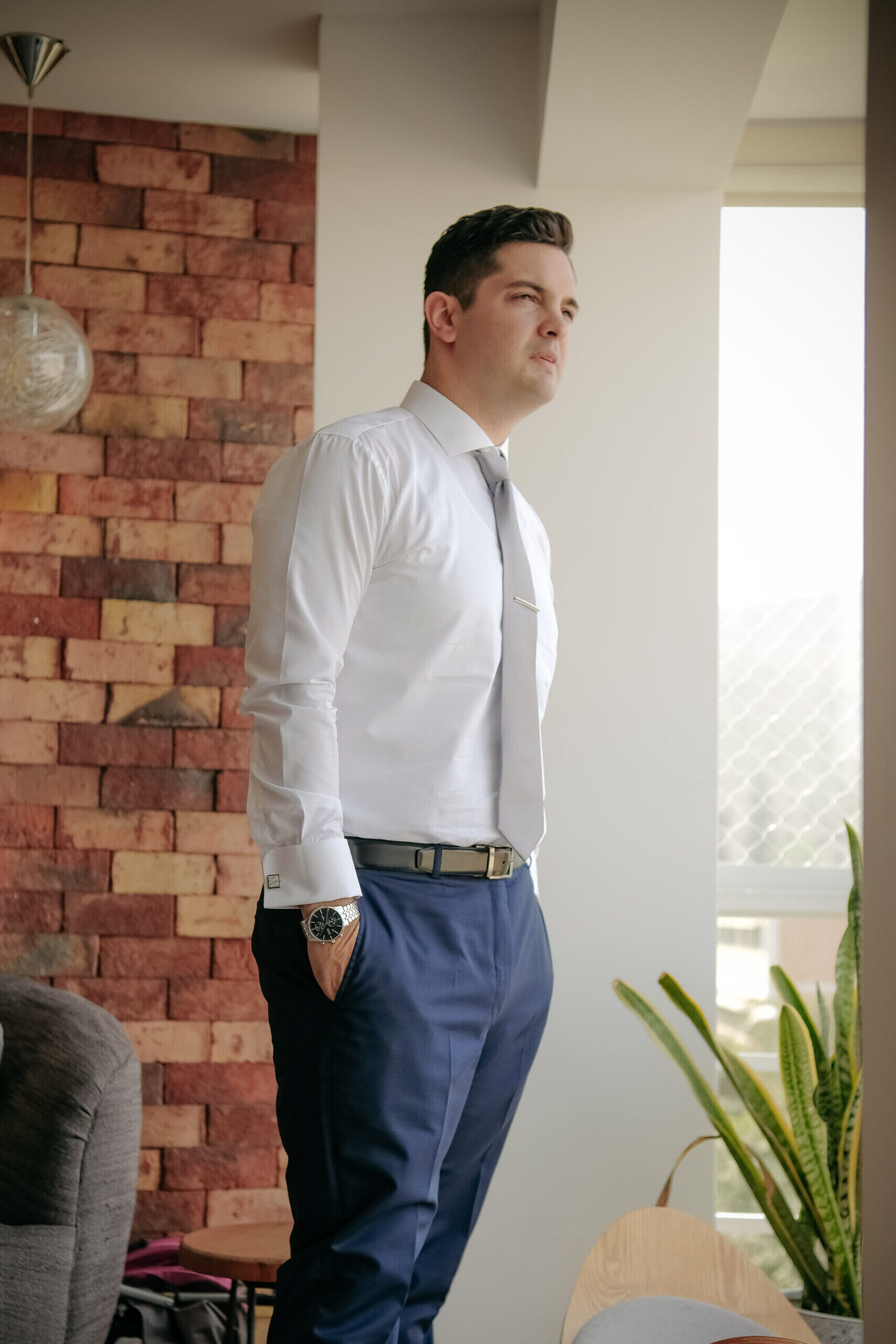
Jose Medina, PhD
Researcher · Organisation development
I came from a world of numbers and rigid systems. Then a mentor showed me something I couldn’t grasp at first. The real engine of a business is not process. It is people, trust, and learning. It took me years to understand. Now I make it the easy road for you.
Drawn from conversations with 19 Australian founders who lived it, and grounded in a PhD on how organisations really work.
Stay close
One practical idea a week.
Short, useful notes on moving from operator to architect. One email a week, and you can leave whenever you like.
Not sure where to begin?
"Everything runs through me"
When you're the bottleneck and can't step back.
Are you operating, or architecting?
The free guide shows you where to begin, with one exercise you can do this week.